
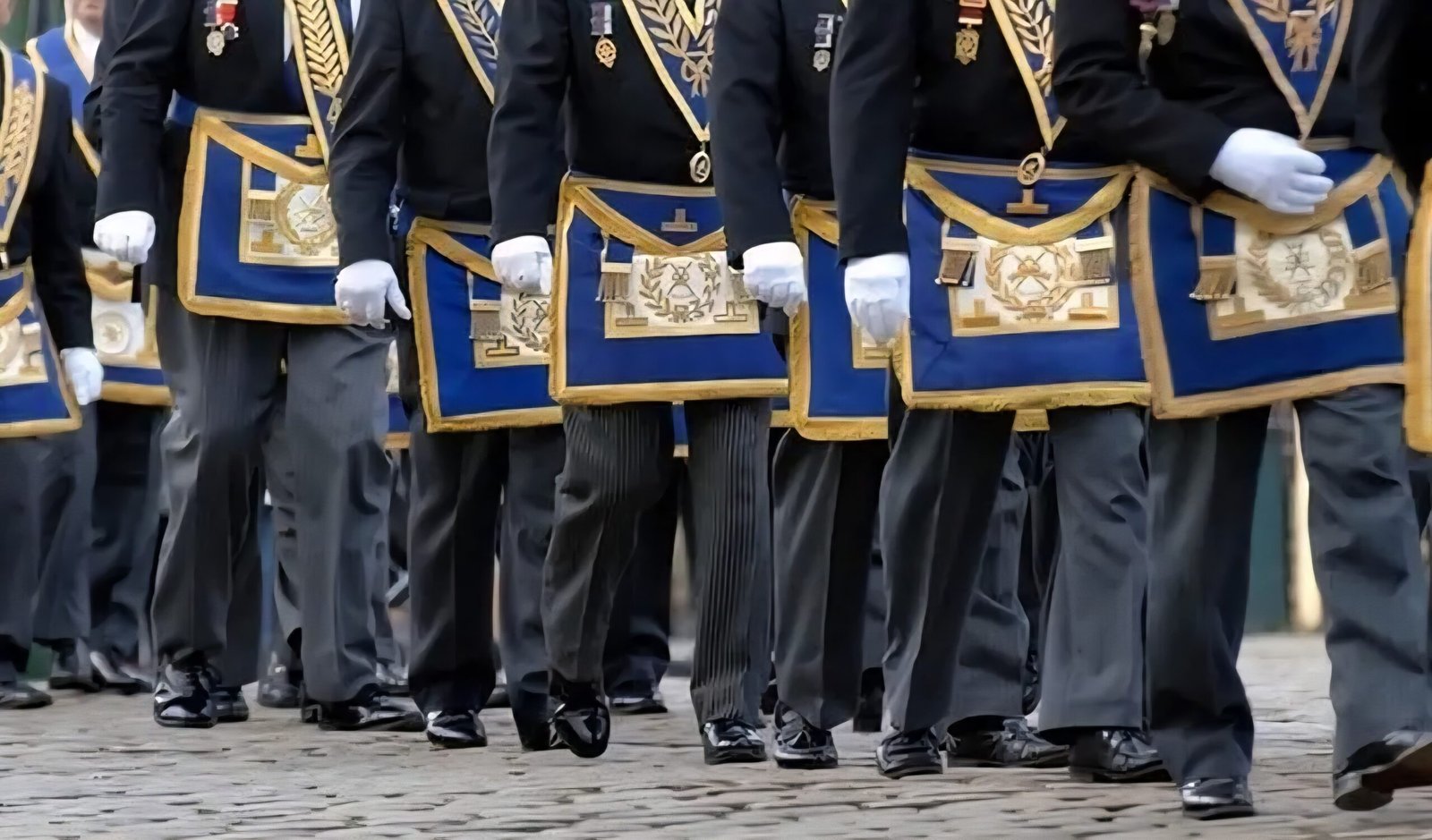
The fascinating Masonic Tradition Rooted in Ritual and Symbolism.
In Freemasonry, every gesture holds meaning, and perhaps none more quietly constant than that very first step we take. For years, I didn’t think much of it. When the Deacon quietly said, “Step off with your left foot,” I simply obeyed, as I thought it was so we stepped together like a marching army, neat and in time. Only later have I come to realise that even this small instruction carries purpose, heritage, and symbolism.
As part of my daily advancement in Masonic knowledge, I wanted to understand why the left foot matters. What I discovered is that this little step speaks deeply to the moral and symbolic heart of our Craft.
Why the Left Foot?
One of the most consistent customs across UGLE-recognised workings, Emulation, Universal, Logic and others, is that each perambulation, and each formal movement of significance, begins with the left foot.
This isn’t accidental. The left side of the body is closest to the heart, and in Freemasonry the heart represents sincerity, conscience, and moral purpose. The first move we make in the Lodge is therefore a symbolic reminder that our actions must begin with intent that is good, honest, and guided by inner light. The right foot, representing strength and understanding, follows afterwards, just as reason follows conscience.
The left step is the start of the journey, the sign that we move from darkness toward light with humility and sincerity.
Historical and Ceremonial Roots
Although speculative Masonry gives this symbolism its modern form, the idea of stepping left first has much older roots.
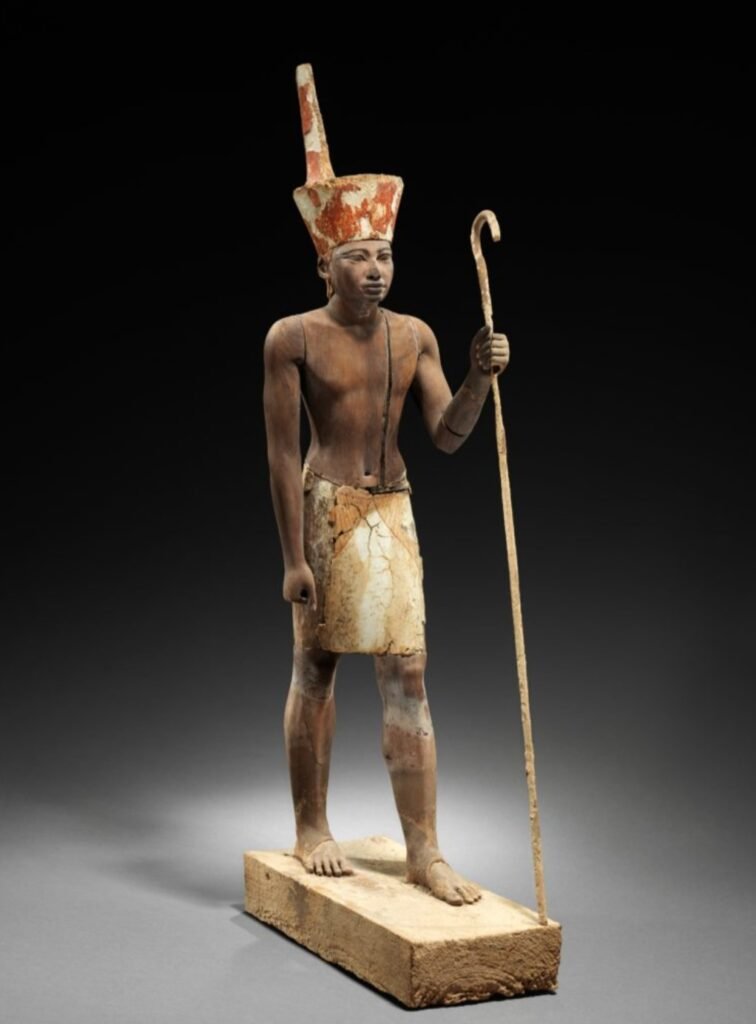
In many ancient religious and ceremonial traditions, the left side was associated with beginnings. Roman priests, for example, entered sacred precincts with the left foot to show humility. Medieval monastic orders began processions with the left when entering the sanctuary, reserving the right foot for departure.
Operative stonemasons, whose customs we inherit, also treated movement within sacred spaces with care and intention. The act of stepping left into the work area or consecrated ground was part of aligning oneself with purpose. When their traditions filtered into early Freemasonry, the symbolism of the left foot remained.
Rhythm, Harmony, and the Lodge
Inside the Lodge, beginning with the left foot is more than choreography; it’s part of ritual discipline. When the Deacons or Director of Ceremonies instruct a Brother to start with his left, and the Brethren move in a unified rhythm, the Lodge gains a sense of order and harmony.
The Lodge room represents the world. When we walk around it with intention, guided by the heart (the left foot), we enact our own moral progress. The left step sets the tone: begin rightly, move with care, walk with purpose.
The Three Regular Steps

Without touching on any part of our ceremonies, which must always remain private, it is perfectly acceptable to acknowledge that each of the three degrees in Craft Freemasonry includes its own Regular Step. These steps belong to the internal structure of the ritual, but what can be spoken about publicly is their symbolic purpose rather than their form.
Each Regular Step marks a different stage of a Mason’s personal journey:
- The first expresses a beginning — the moment a man commits himself to the pursuit of moral and spiritual improvement.
- The second reflects progress — steady advancement through understanding, responsibility, and reflection.
- The third represents fulfilment — a deeper appreciation of duty, resilience, and the lessons of life.
These meanings can be discussed openly because they deal with allegory, symbolism, and personal growth, not with the methods of recognition or the private workings of the Lodge. Taken together, the Regular Steps remind us that every stage of Masonic development is deliberate. We do not advance accidentally or casually; we advance with intention, character, and purpose.
This symbolic progression aligns naturally with the broader custom of stepping off with the left foot, reinforcing the idea that our journey in the Craft begins with the heart, continues with understanding, and matures into wisdom.
Balance and Duality
To step left first is to acknowledge that we are beings of feeling and reason. The heart leads; the mind follows. One without the other cannot walk uprightly.
This balance echoes throughout Masonic teaching. Virtue and knowledge must walk hand in hand, just as the left and right foot must work together if we are to move forward. The left step gently reminds us that moral awareness should always lead our actions, both inside and outside the Lodge.
A Tradition Worth Preserving
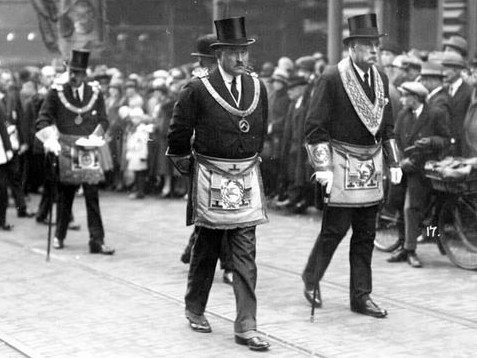
It’s easy to overlook something as simple as which foot we use to take our first step. Yet these small details are the threads that weave our Craft together. The instruction to “step off with your left foot” forms a bridge between operative and speculative masonry, between ancient practice and the modern Lodge.
It reminds us that our ceremonies aren’t random or decorative. They are carefully built systems of moral teaching. Even the smallest movement carries meaning, meaning that hundreds of thousands of Freemasons before us have learned, respected, and passed on.
Conclusion
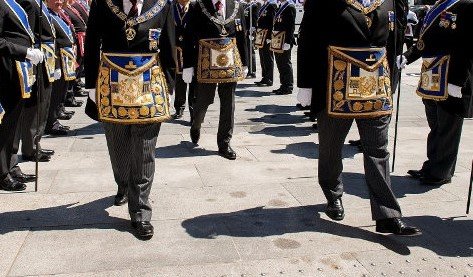
Next time I rise in the Lodge room and hear the familiar instruction, I will take a moment to feel the symbolism behind it. A simple movement of the left foot marks the beginning of something greater for all of us. It represents humility, intention, and the heart guiding the mind. It signals the start of a journey from darkness toward light, a journey we all take in the Craft.
And perhaps, as you take that first step, you’ll remember: it’s not just a footstep. It’s a reminder of who you are, what you believe, and the path you have chosen to walk.
References
Ars Quatuor Coronatorum. (1917).
R.F. Gould, Perambulations and Symbolic Movement. Vol. 30.
London: Quatuor Coronati Lodge No. 2076.
Emulation Working of Craft Masonry. (Current edition).
London: Lewis Masonic.
Universal Working of Craft Masonry. (Current edition).
London: Lewis Masonic.
Logic Working of Craft Masonry. (Current edition).
London: Lewis Masonic.
Jones, B. E. (1950). Freemasons’ Guide and Compendium.
London: Harrap.
Ward, J. S. M. (1921). Freemasonry and the Ancient Gods.
London: Simpkin, Marshall, Hamilton, Kent & Co.
Wilmshurst, W. L. (1922). The Meaning of Masonry.
London: Rider.
Wilmshurst, W. L. (1924). The Masonic Initiation.
London: Rider.