
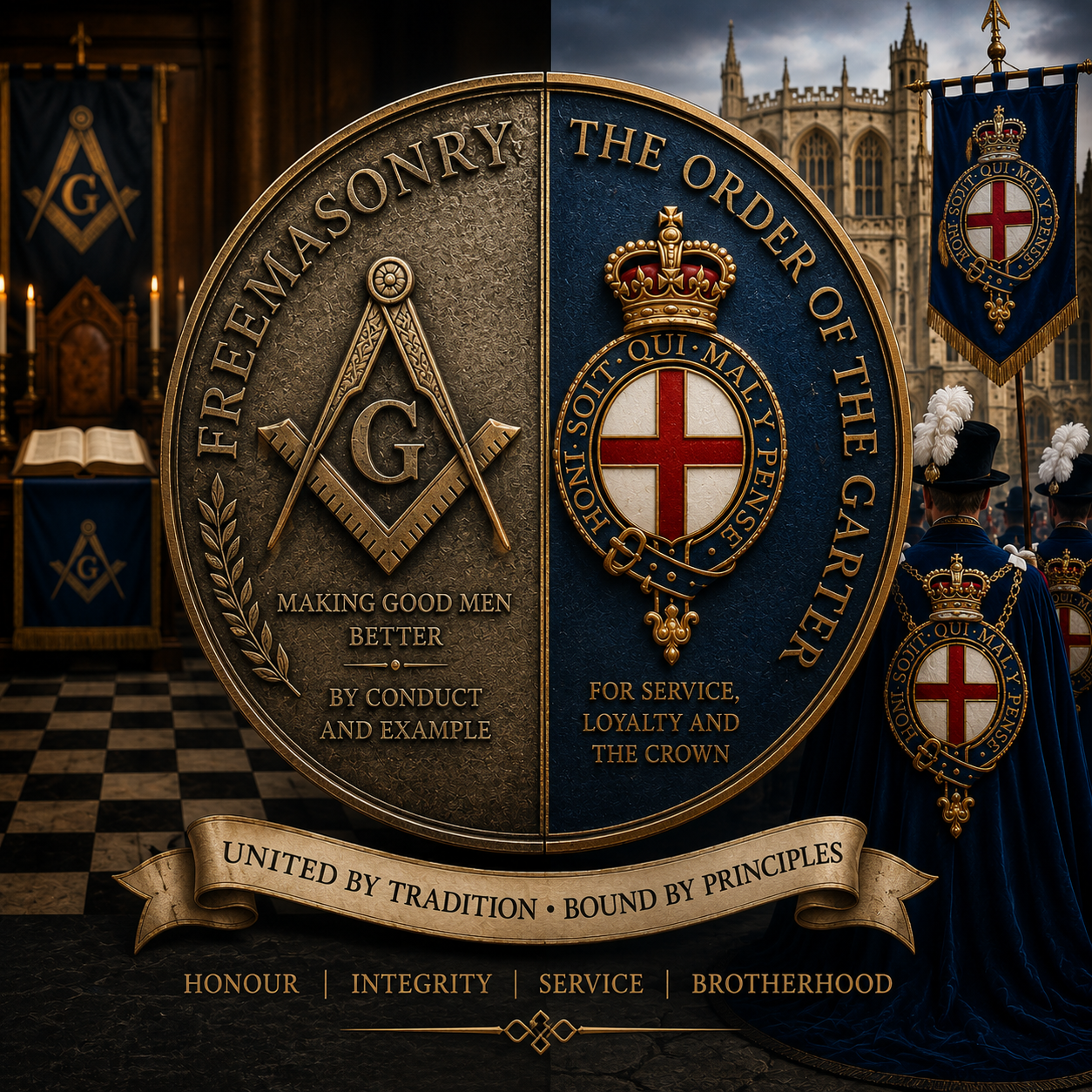
Recently, while watching a documentary about Windsor Castle, I heard mention of the Order of the Garter. Almost instantly, my ears pricked up, and my mind jumped back to a familiar line heard within the Entered Apprentice degree ceremony.
Most Freemasons reading this will likely know exactly the passage I mean. It is a relatively small part of the ceremony, delivered fairly briefly in the grand scheme of the evening, yet it contains references that are actually incredibly significant once you stop and think about them properly.
And if I am being completely honest, I suspect many of us probably did not think about them properly at first. That is not criticism either. Far from it.
Anybody who has gone through their Initiation will remember just how much information, symbolism, emotion, and nervous energy is flying around the room that evening. You are trying to take everything in at once, whilst also attempting not to make a complete fool of yourself at the same time.
Some parts of the ceremony stay with you immediately. Other parts slowly reveal themselves over years. For me, this became one of those passages that took a while.
Because the moment I heard the documentary reference the Garter, I suddenly found myself wondering something I probably should have asked years ago:
What actually is the Garter?
And why was it important enough to be specifically mentioned within Masonic ritual?
So naturally, down the rabbit hole I went. And as usual with Freemasonry, one small question quickly turned into several hours of reading medieval history.
The Order of the Garter
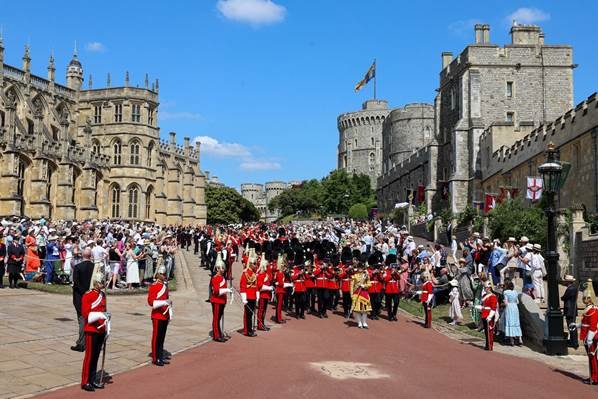
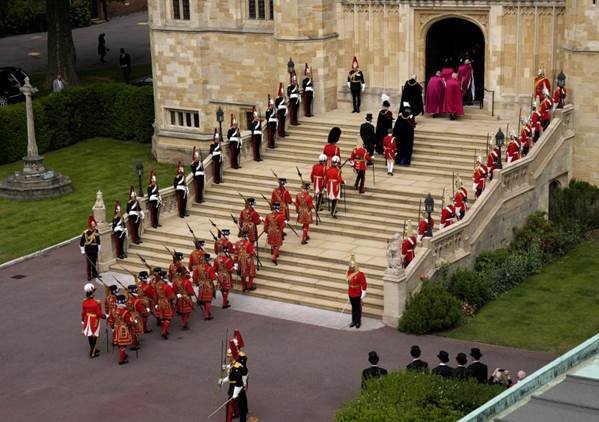
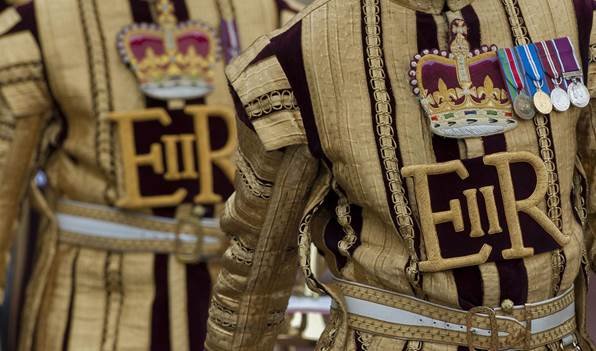
The Order of the Garter was founded by King Edward III in approximately 1348 and is widely regarded as the highest order of chivalry in England. Not to be mistaken for celebrities receiving a knighthood, prestigious though that honour certainly is, the Order of the Garter sits on an entirely different level.
Even today, nearly seven centuries later, it remains one of the most prestigious honours that can be bestowed within the United Kingdom. And when I say prestigious, I mean genuinely elite.
Membership has historically been extremely limited and reserved for monarchs, senior royals, and individuals considered to have given extraordinary service to the Crown or country.
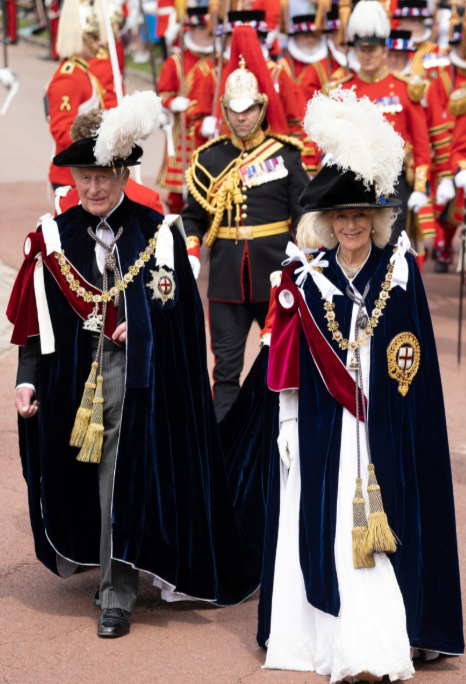
This is not simply another medal or decorative title; this is the very pinnacle of honour.
The Order itself is deeply tied to medieval ideas of knighthood, loyalty, service, and duty. Historians also believe there may have been inspiration drawn from the legends of King Arthur and the ideals surrounding the Knights of the Round Table, which King Edward III greatly admired.
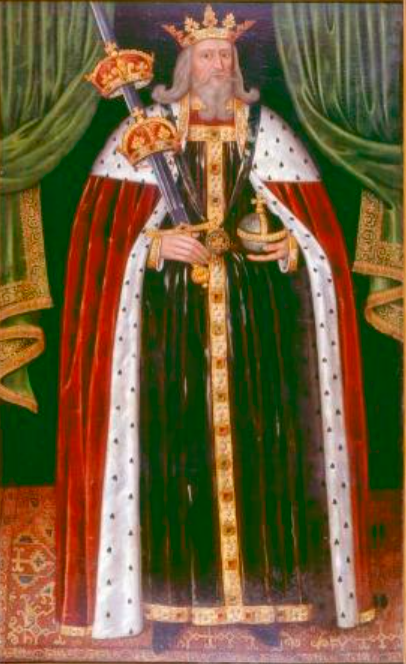
And honestly, when you look at the ceremonial side of the Order even today, you can absolutely see that medieval influence is still alive.
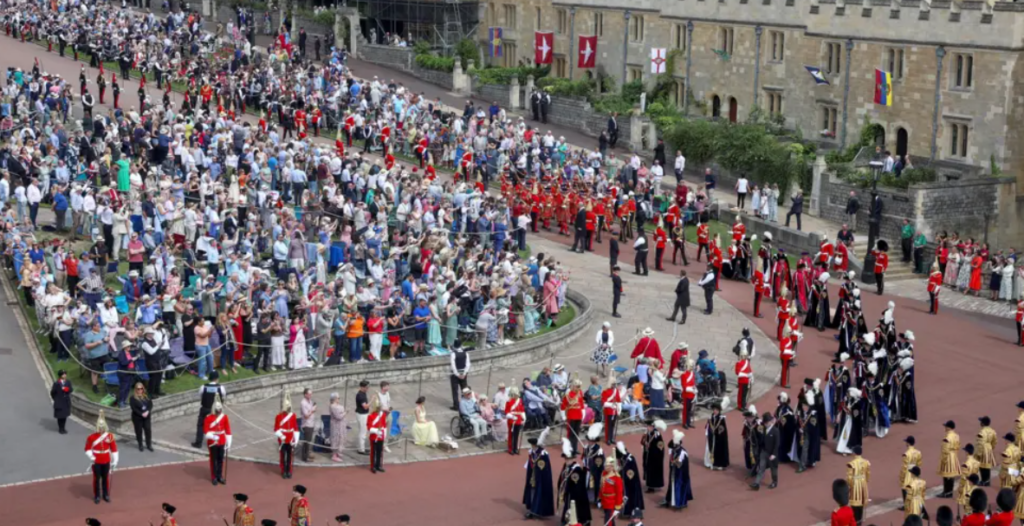
The robes alone look like something transported directly from another age.
Blue velvet mantles.
Plumed hats.
Gold insignia.
Ancient ceremony.
Ceremonial processions.
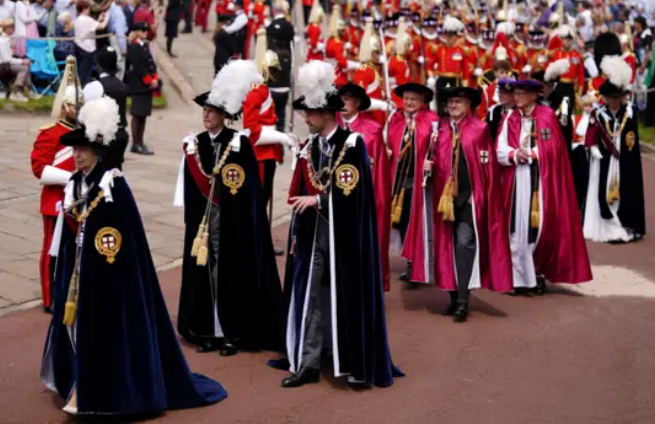
It all carries a very deliberate sense of grandeur and tradition.
The spiritual home of the Order is St George’s Chapel within Windsor Castle, which itself is steeped in royal history.
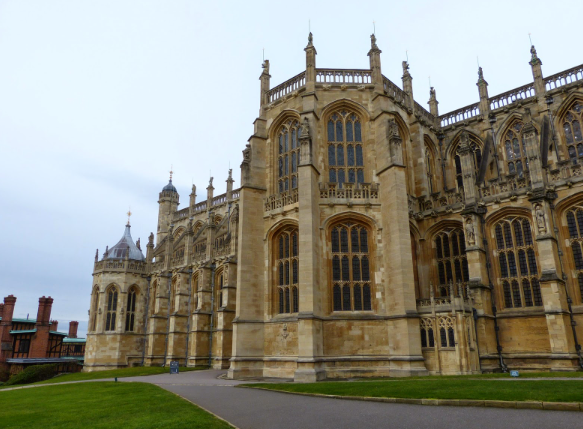
Interestingly, and perhaps as a small personal connection that made this stand out even more to me, I was actually born on St George’s Day itself, the 23rd of April. So hearing the links between St George, Windsor, which I live near, and the Order of the Garter somehow made the whole thing feel even more strangely intimate.
One of the things that fascinated me most while reading into the Order was its famous motto:
“Honi soit qui mal y pense.”
Translated loosely from old French, it means: “Shame on him who thinks evil of it.”
There are several stories surrounding its origin, but the most famous tells of a lady’s garter falling during a royal court gathering. As courtiers laughed, King Edward III supposedly picked it up and uttered the phrase, essentially shaming those mocking the situation.

Whether entirely true or not, it became forever associated with the Order itself.
And perhaps fittingly for something connected to Freemasonry, even the origin story carries a mixture of symbolism, honour, interpretation, and mystery.
Ceremony, Banquets, and Public Perception
The more I looked into the Order of the Garter, the more similarities I began noticing in the broader ceremonial atmosphere surrounding it.
Not because the organisations themselves are the same, but because both place enormous importance upon:
- tradition,
- ceremony,
- symbolism,
- fraternity,
- and continuity with the past.
Even the structure surrounding Garter Day itself feels strangely familiar from a Masonic perspective.
There is the formal ceremonial aspect held within St George’s Chapel, followed by the social and celebratory side afterwards, including formal dining and banquets.
Any Freemason reading this will probably smile slightly at that point, because it sounds remarkably familiar.
Ceremony followed by fellowship and dining together has been part of human fraternity for centuries.
One thing that particularly struck me while watching footage of Garter Day was how recognisable the atmosphere felt.
The formal procession.
The traditional regalia.
The careful preservation of old customs.
The symbolism woven throughout the ceremony.
The sense of respect and dignity attached to the occasion.
I think many Freemasons would recognise those same feelings within a well-conducted Lodge meeting.
And perhaps that is why I find it interesting that public perception treats these traditions so differently.
The Order of the Garter is widely admired.
People line the streets to watch the procession.
Television crews cover the event.
The regalia, ceremony, and traditions are celebrated as part of British heritage and history.
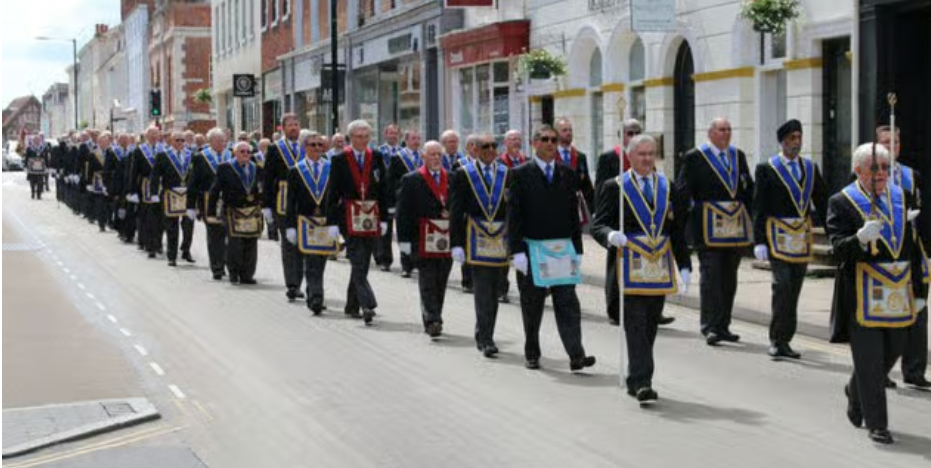
Yet Freemasonry, despite also preserving centuries-old traditions centred around morality, fraternity, charity, and self-improvement, is still occasionally viewed with suspicion by some of those same people who cheer the Garter, who know very little about it.
That contrast is genuinely fascinating when I stop and think about it. And I wonder if you feel the same?
Because in reality, many of the things society admires within ancient ceremonial institutions:
- continuity,
- symbolism,
- shared values,
- formal tradition,
- charitable work,
- fraternity,
- and preserving links to history,
are many of the very same things that exist within Freemasonry. Perhaps the difference is simply visibility.
The Order of the Garter exists publicly within royal ceremony and national heritage. Freemasonry, on the other hand, has always valued privacy and personal experience within its ceremonies, which naturally creates curiosity and sometimes misunderstanding from the outside world.
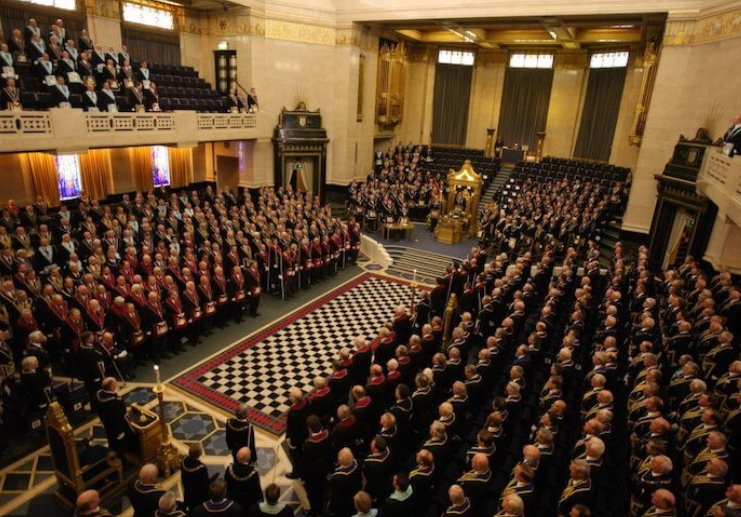
And maybe that mystery is part of the reason Freemasonry continues to fascinate people even today.
The Golden Fleece


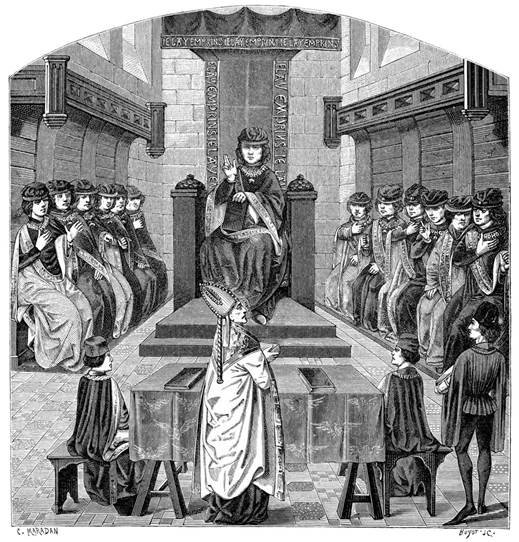
The other historical reference mentioned within that same section, is the Order of the Golden Fleece.
Again, this was no minor comparison. Founded in 1430 by Philip the Good, Duke of Burgundy, the Order became one of the most exclusive and respected knightly orders in Europe.
Its symbolism drew from the ancient Greek story of Jason and the Golden Fleece, representing authority, kingship, achievement, and prestige.
Once again, we see the same pattern. Freemasonry intentionally compares the apron against symbols of immense worldly honour and status. And again, not because such honours are worthless, but because Masonry attempts to teach that genuine honour begins somewhere deeper than titles and decorations.
That message probably lands rather differently after several years in Freemasonry than it does on your first evening.
The Roman Eagle
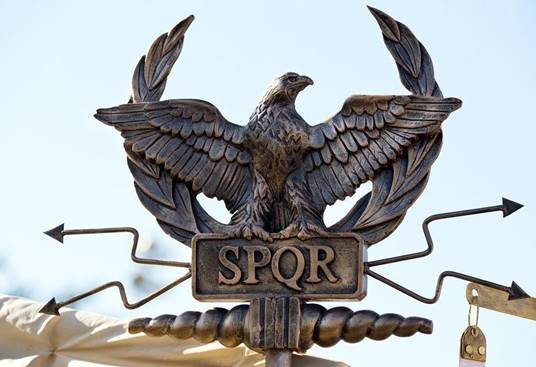
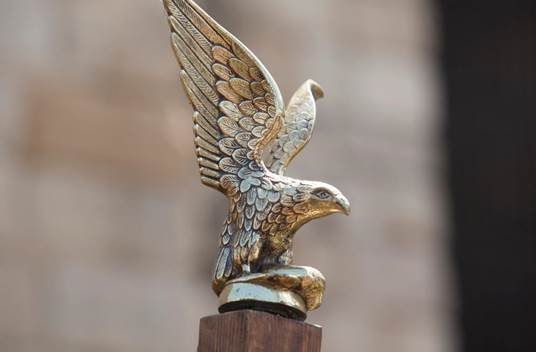

Then we arrive at the Roman Eagle. The eagle standards carried by Roman legions were among the most sacred military symbols in the ancient world. To lose one in battle was considered a catastrophic disgrace. Entire military reputations rested upon protecting those standards.
The eagle represented:
- military might,
- conquest,
- discipline,
- imperial authority,
- and domination across much of the known world.
Rome conquered nations beneath those banners.
And yet Freemasonry contrasts those symbols of outward power with something far quieter and more personal. The apron is not intended to symbolise conquering others. It symbolises conquering oneself. And honestly, I think that is one of the most underrated themes running throughout Freemasonry generally.
Self-control.
Self-discipline.
Self-improvement.
Not perfection.
Not superiority.
Simply trying to become better than we were before.
The Beauty of Overlooked Passages
I think one of the reasons this subject interested me so much is that it highlights something many experienced Freemasons will probably recognise. Certain sections of ritual become so familiar that we almost stop properly hearing them. Until one day, something reconnects the dots in your mind. You hear a historical reference somewhere outside the Lodge room and suddenly realise:
“Hang on… that is mentioned in the ritual.”
Then curiosity takes over. One of the genuinely brilliant things about Freemasonry is that those moments never really stop happening. A single sentence can lead you into:
- medieval history,
- mythology,
- architecture,
- philosophy,
- symbolism,
- religion,
- or centuries-old traditions you had never even considered researching before.
Sometimes you start by looking up one small detail and suddenly realise two hours have disappeared. I suspect most brethren reading this have had similar moments themselves. And perhaps that is one of the reasons Freemasonry remains endlessly interesting even decades after initiation. There is always another layer waiting underneath something familiar if you are interested in looking.
More Honourable
The more I thought about the comparison to the Garter specifically, the more I appreciated the quiet confidence behind the symbolism.
Freemasonry is not trying to compete with kingship or royal honours. We have had many Royal members within Freemasonry over the years. The Duke of Kent being our currrent Royal Member as Grand Master.

It is not claiming superiority in a worldly sense. Instead, it is making a moral point. That true honour is not necessarily found in titles, wealth, military glory, or noble birth.
It is found within character. Within how a man conducts himself. How he treats others. How he behaves when nobody is watching.
How honestly he lives his life. And perhaps that is why the apron remains intentionally simple. Its value does not come from expense or appearance. Its value comes from what it represents.
I think that lesson feels particularly important today, in a world increasingly obsessed with image, status, social media, and public perception. Freemasonry quietly points back toward something much older and much steadier.
Integrity.
And maybe that is why such a small, overlooked section of ritual has remained in my mind ever since hearing that documentary mention the Garter. Because beneath the medieval history, royal ceremony, and centuries of tradition lies a surprisingly timeless message.
That genuine honour cannot simply be awarded. It has to be lived, before it can be recognised